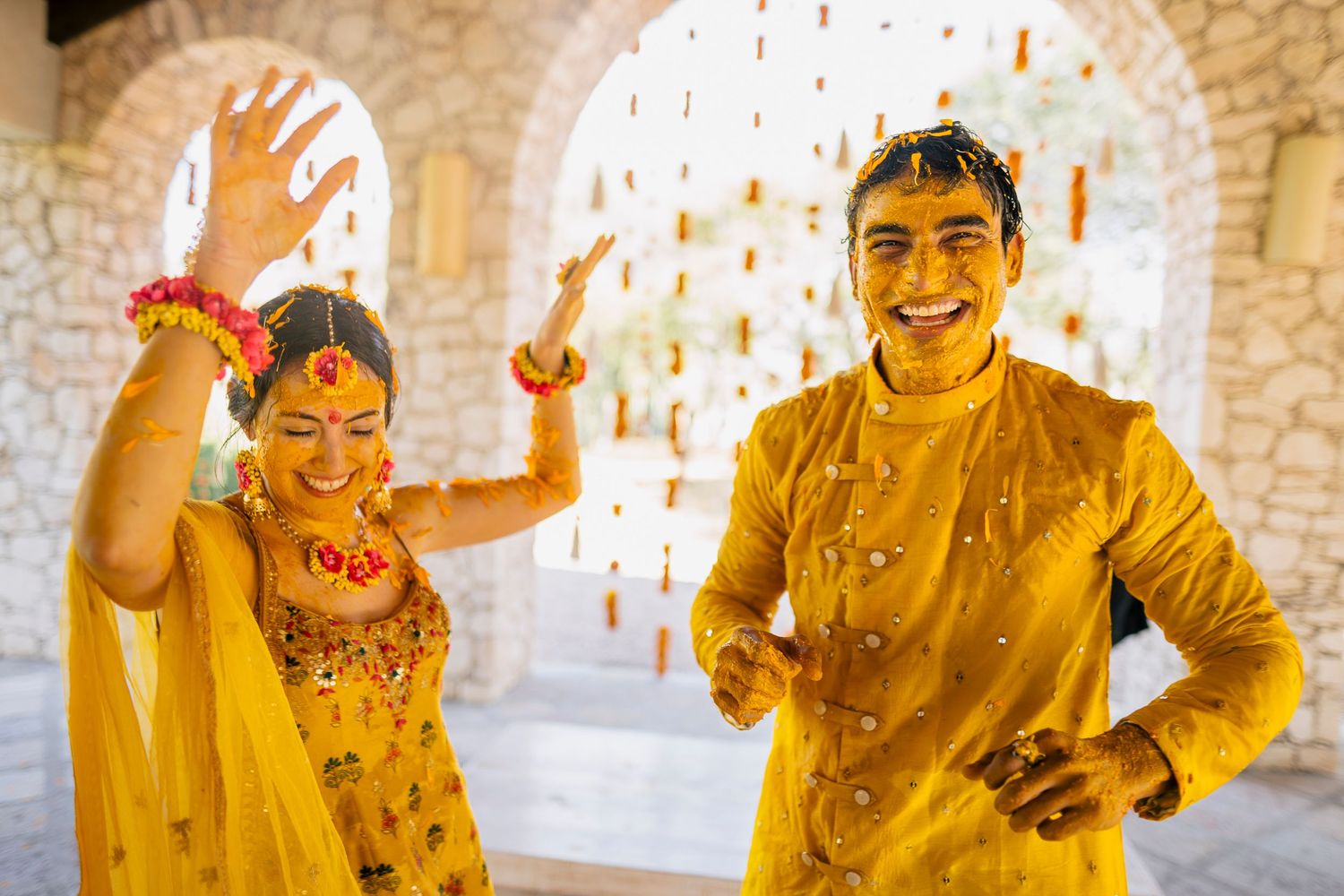
Some wedding traditions are beautiful to witness.
Others are beautiful to experience.
The Haldi Ceremony is both.
As one of the most meaningful pre-wedding rituals in Indian weddings, Haldi represents far more than a colorful celebration. It is a ceremony centered around blessings, family, protection, and the transition into a new chapter of life.
Long before the wedding vows are exchanged, families gather to celebrate the bride and groom through a ritual that has been passed down through generations.
Filled with laughter, music, vibrant colors, and heartfelt emotions, Haldi often becomes one of the most memorable moments of the entire wedding celebration.
Not because of its grandeur.
But because of its meaning.
The Meaning Behind Haldi
A ritual rooted in tradition.
The word "Haldi" translates to turmeric, a golden-yellow spice that has been used throughout India for centuries for its medicinal, spiritual, and symbolic properties.
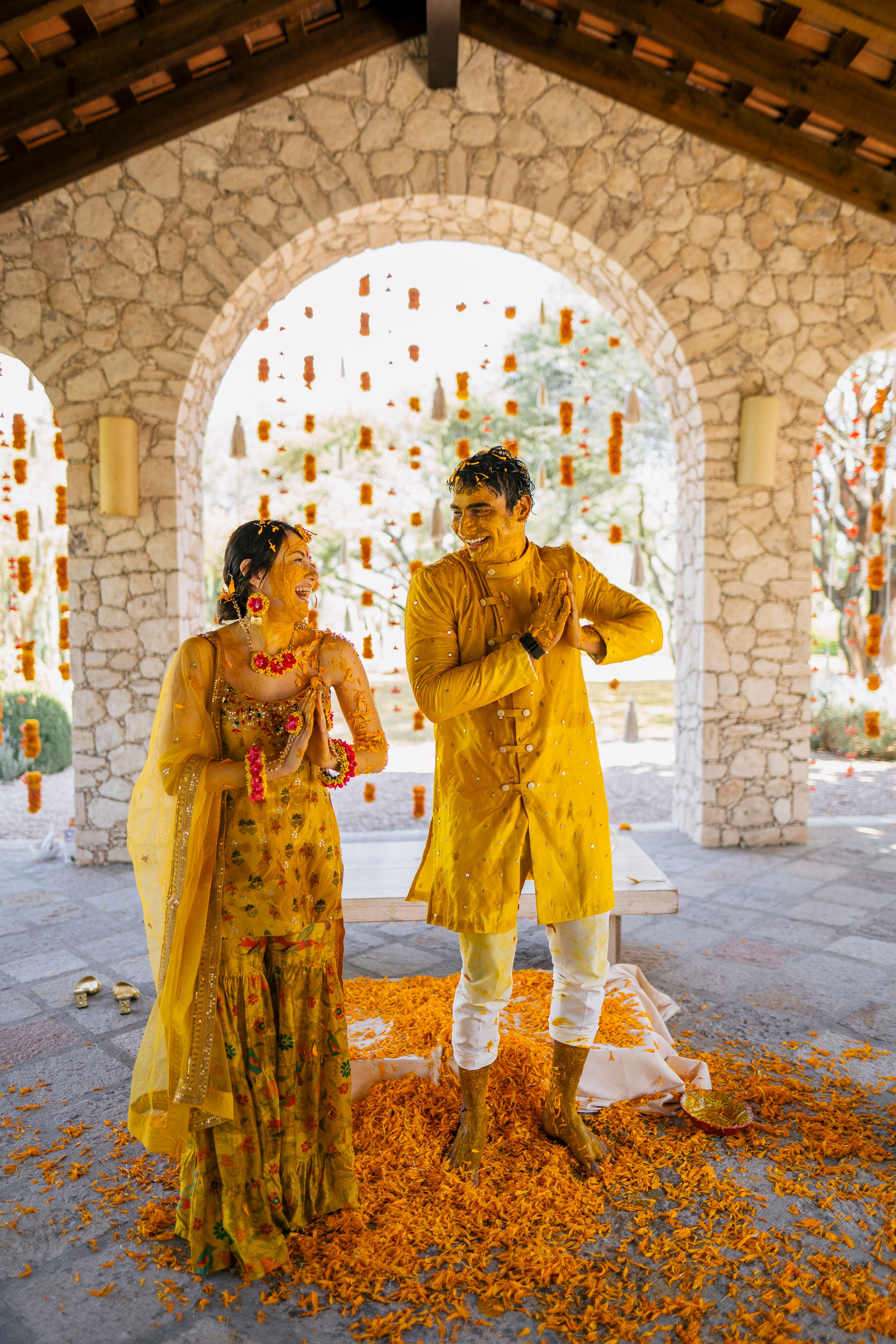
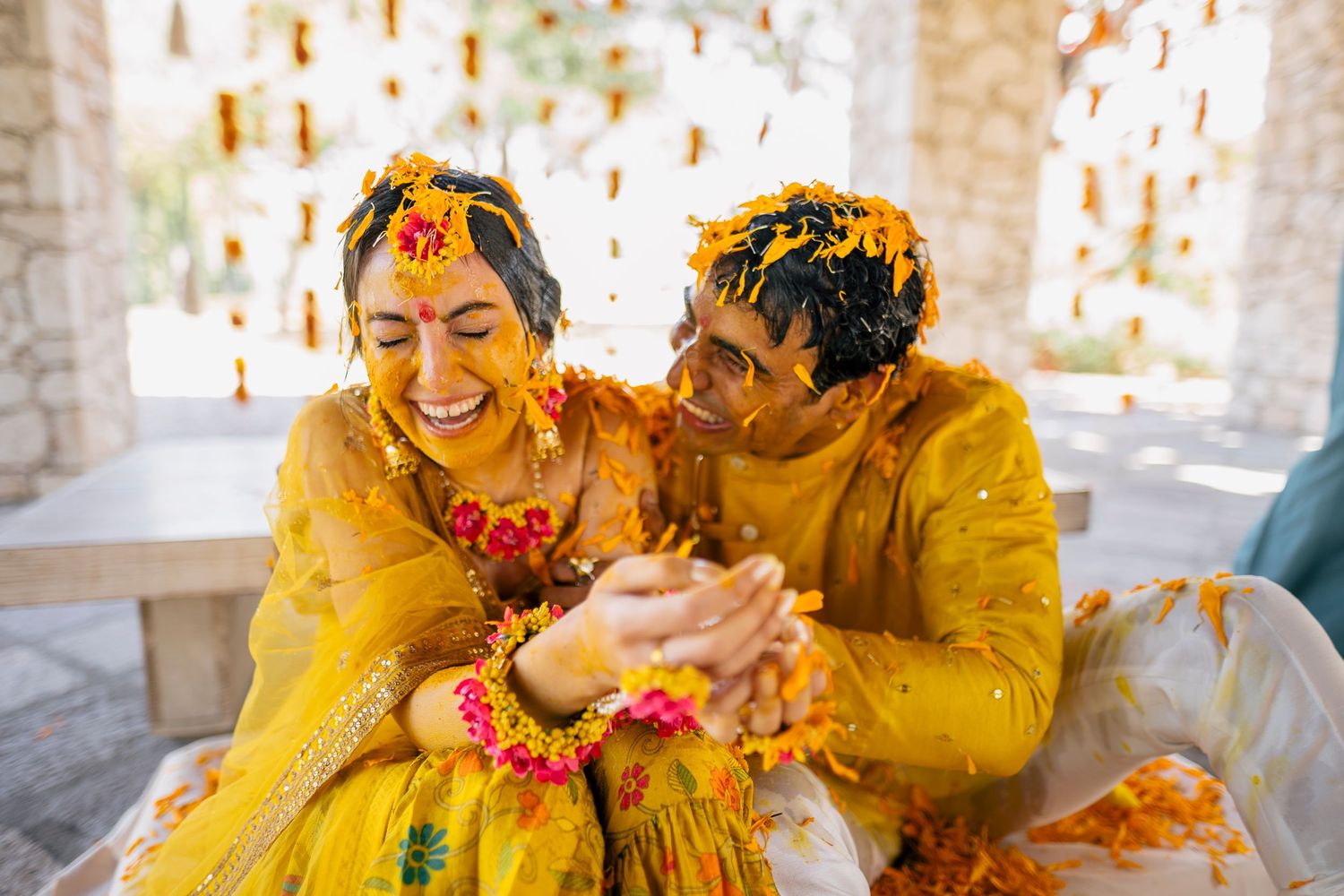
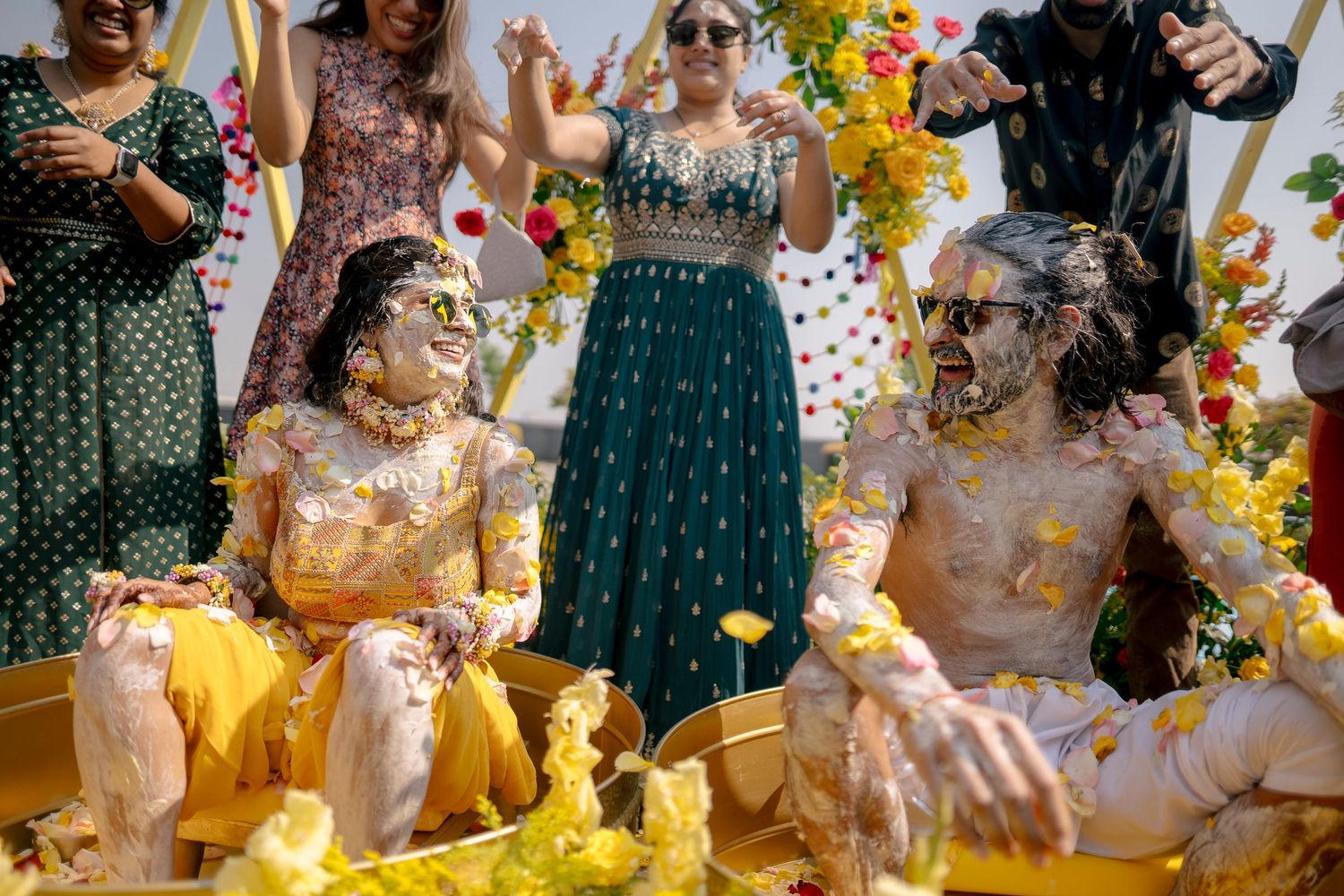
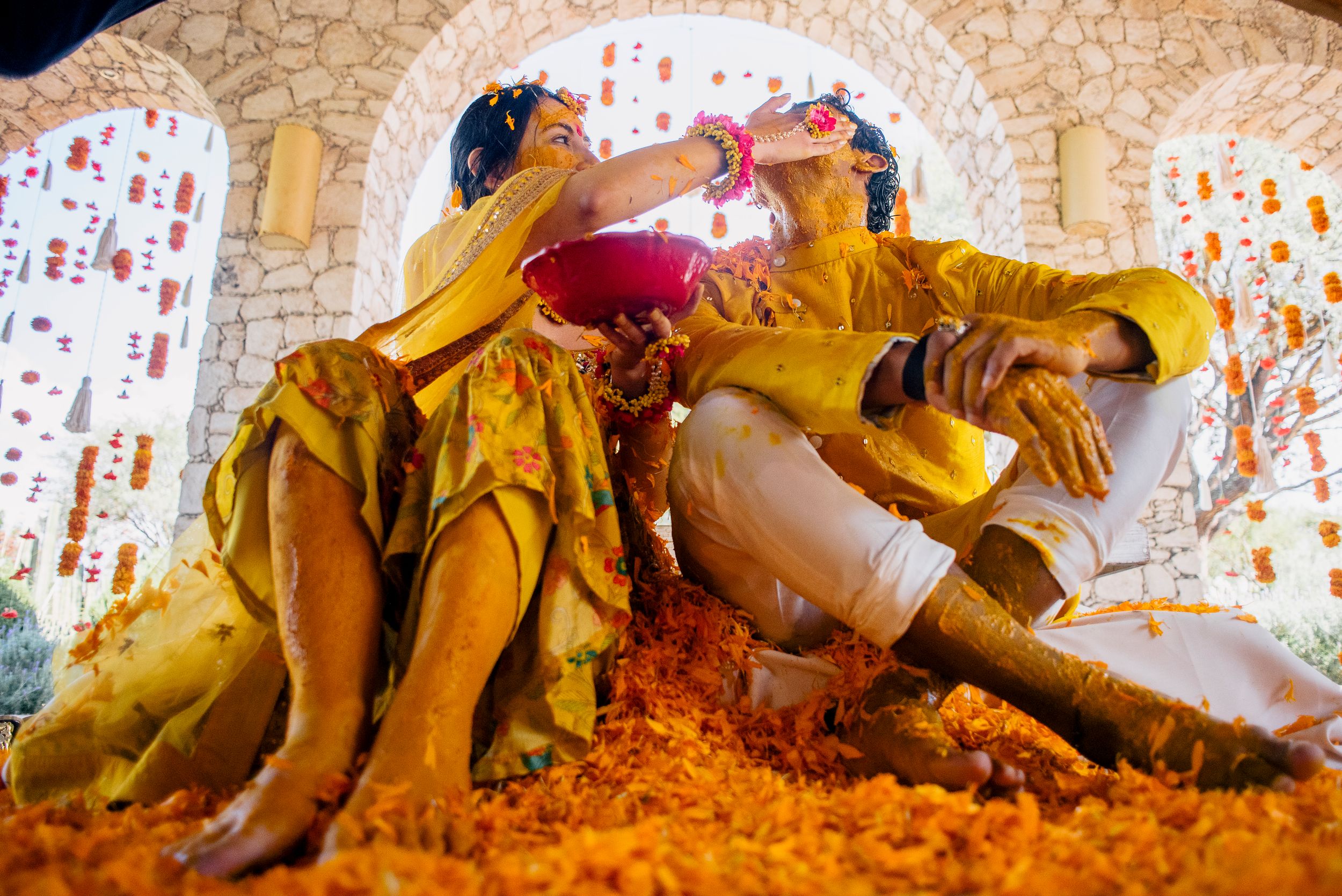
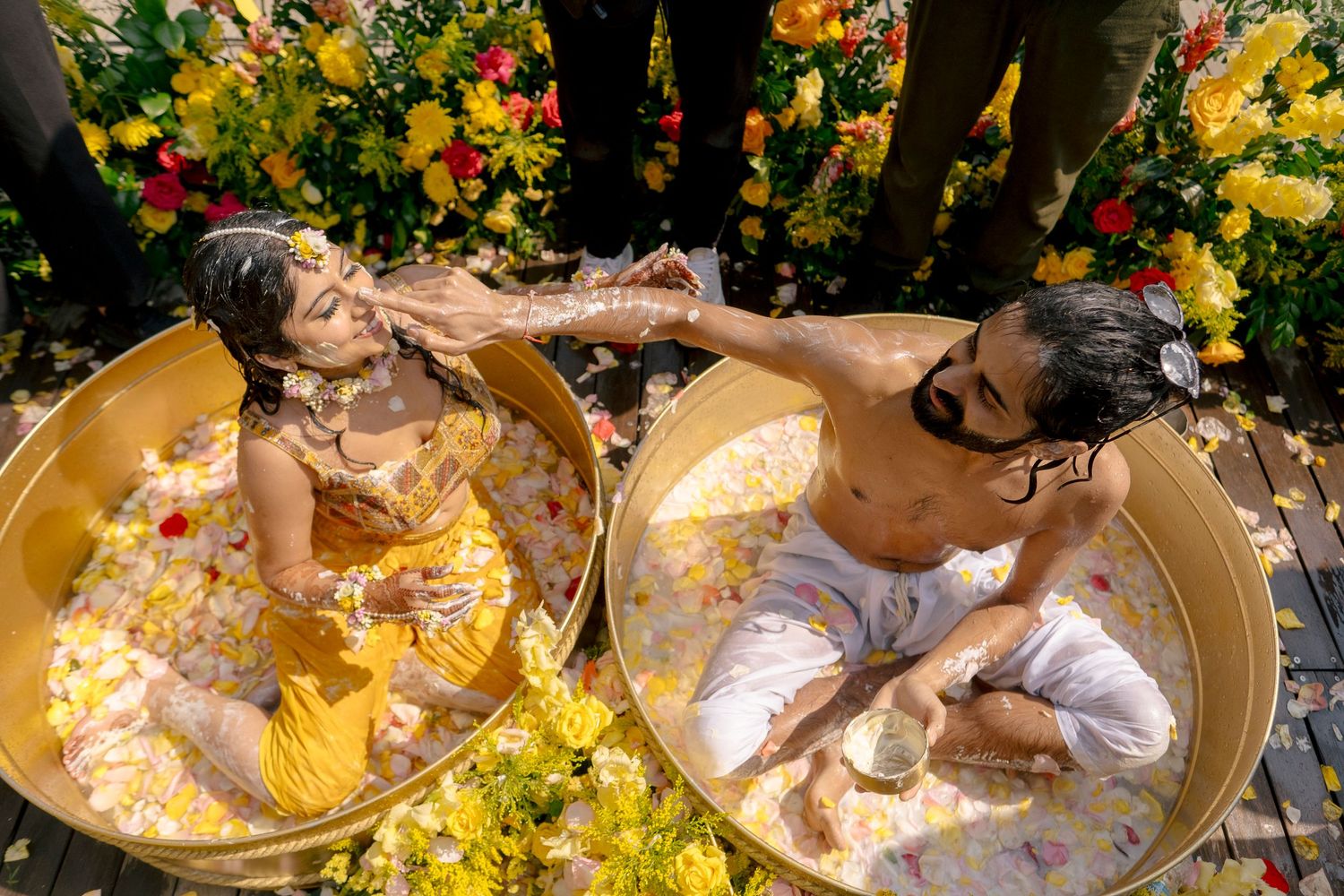
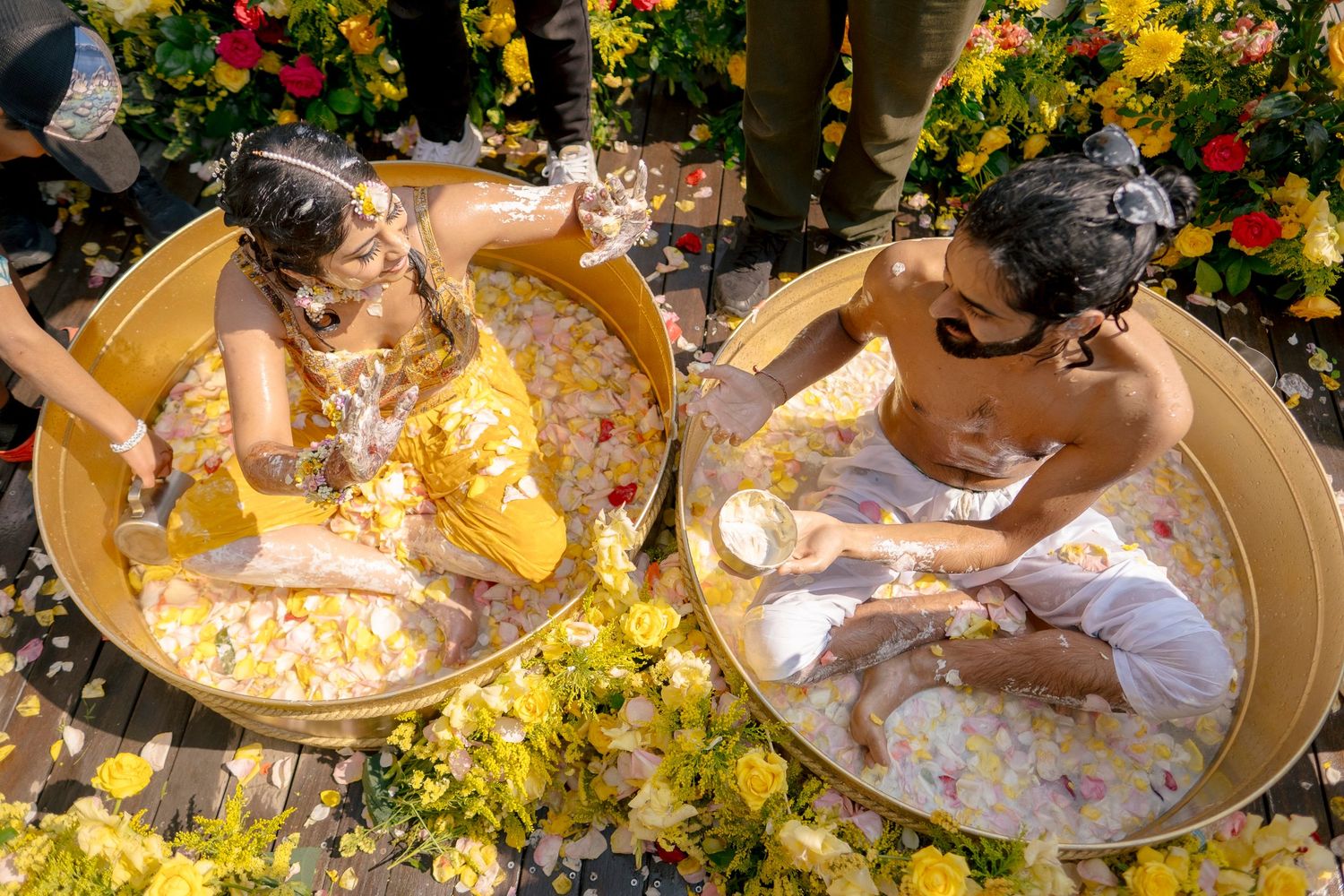
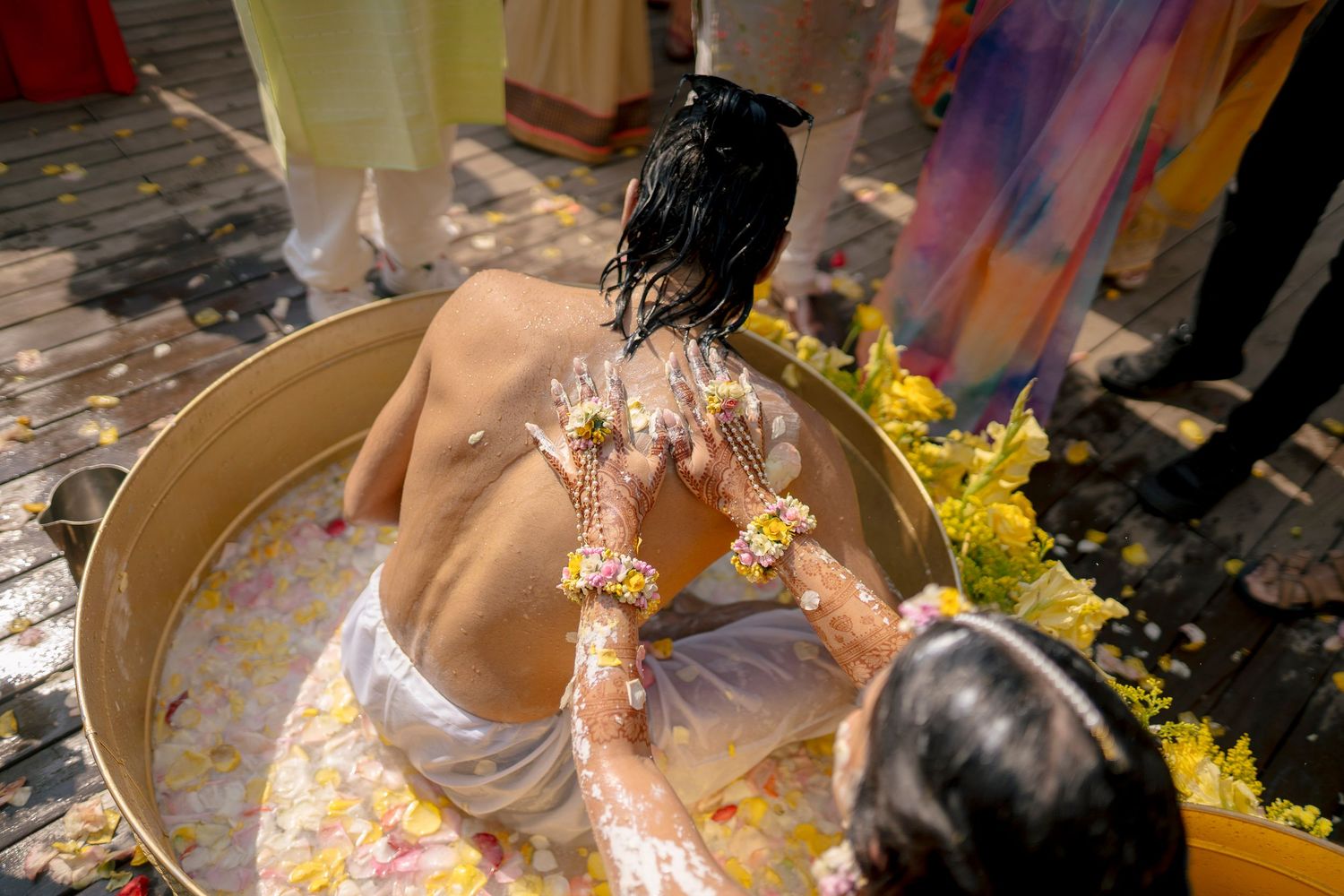
During the ceremony, a paste traditionally made of turmeric, sandalwood, rose water, and natural oils is gently applied to the bride and groom by family members and close friends.
The ritual is believed to purify, bless, and protect the couple from negative energy before they enter married life.
Turmeric itself symbolizes prosperity, healing, and positivity, while its natural properties are also known to enhance the skin's glow—giving brides and grooms the radiant appearance often associated with Indian wedding celebrations.
A blessing before the wedding day.
Who Applies the Turmeric?
A celebration shared by everyone.
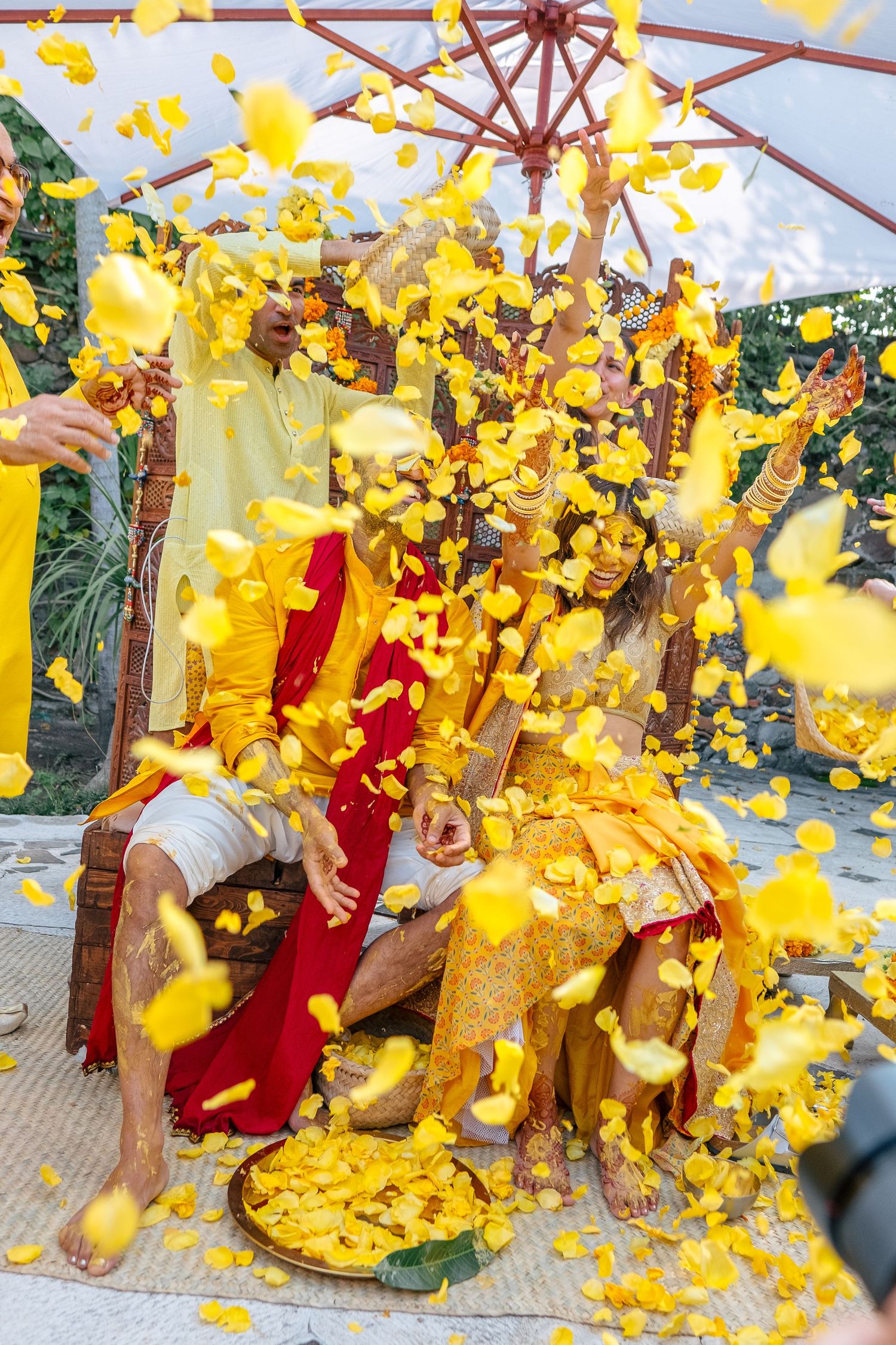
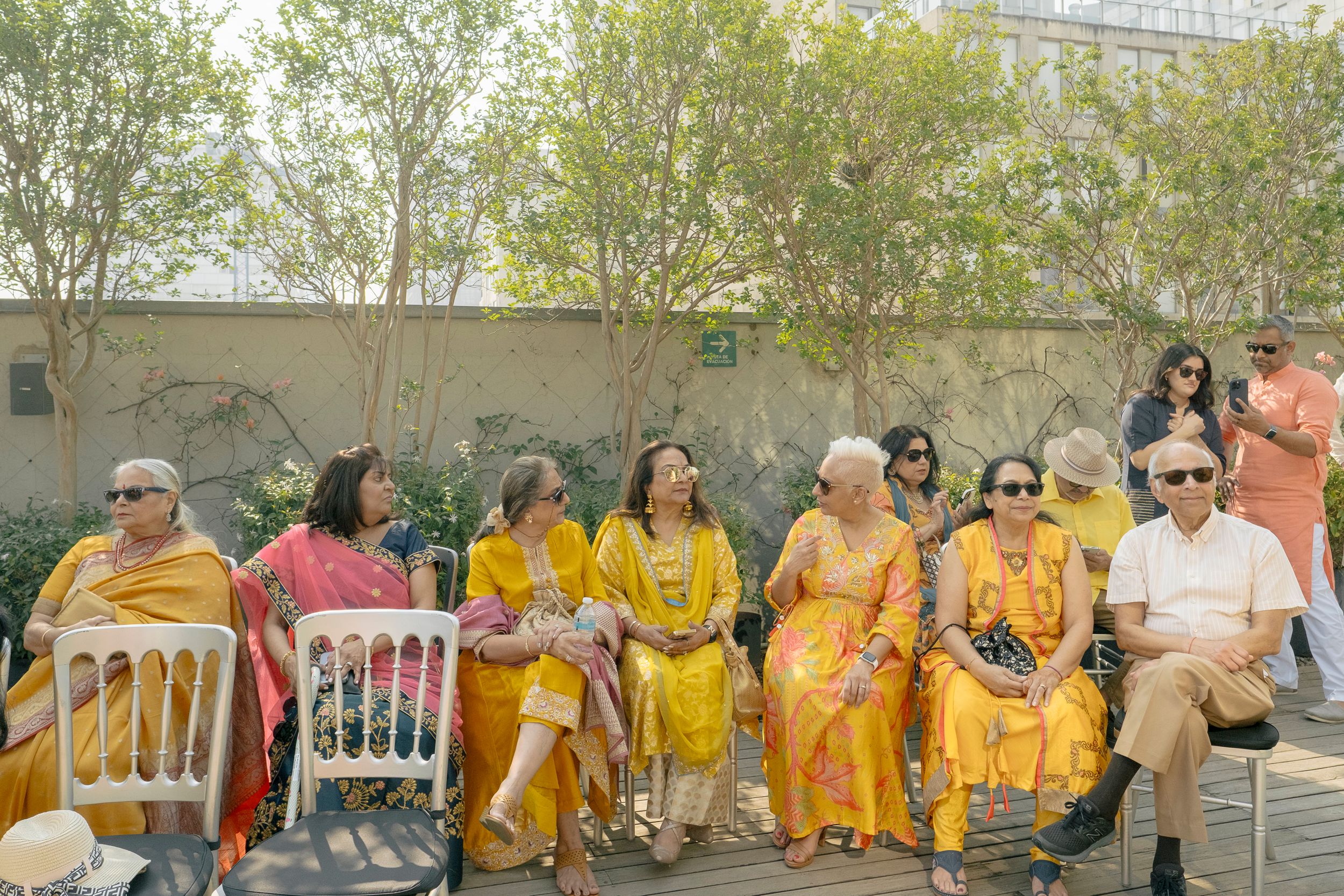
Traditionally, parents, grandparents, siblings, relatives, and close friends take turns applying the turmeric paste to the bride and groom.
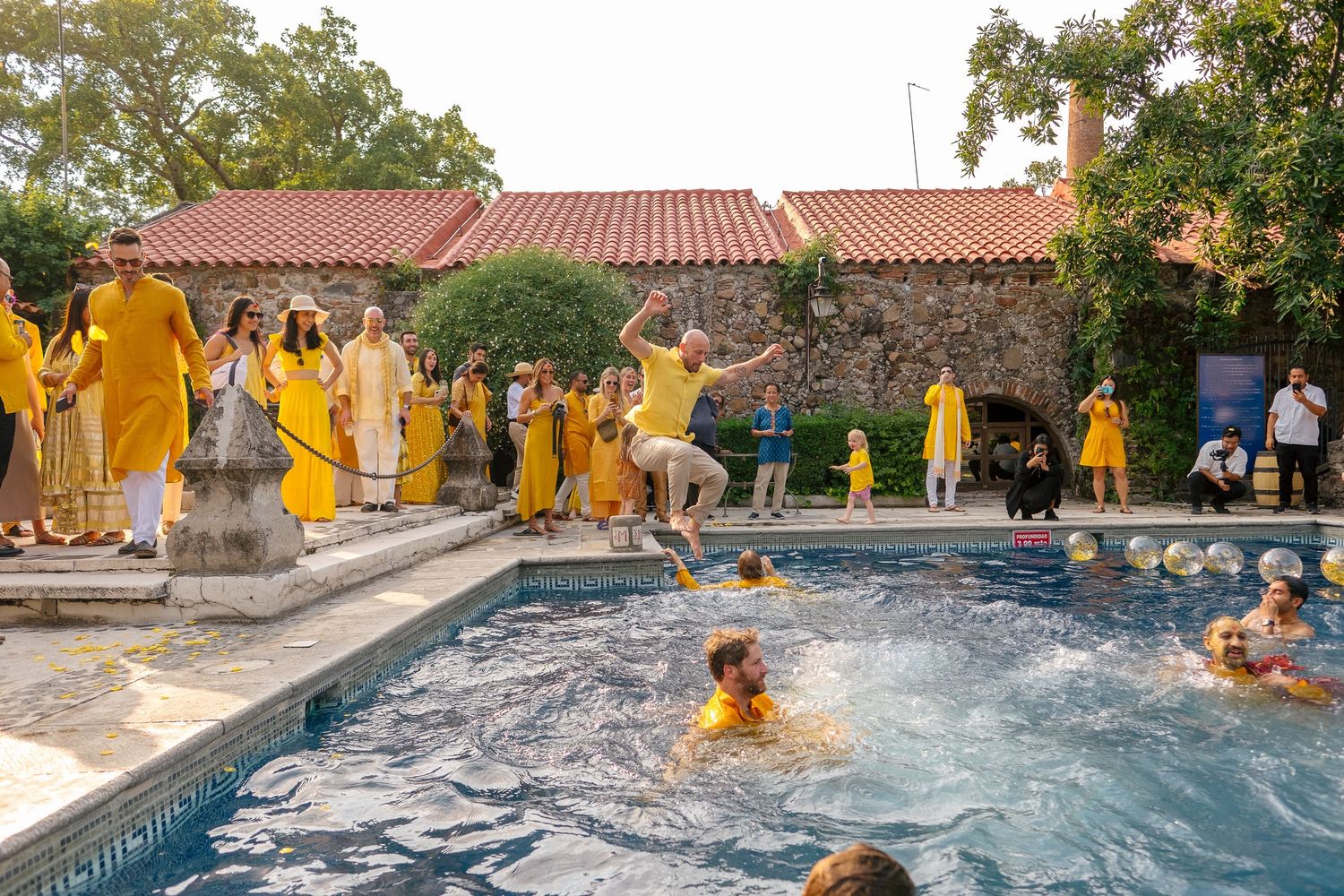
What begins as a blessing often transforms into a joyful celebration filled with laughter, dancing, and playful moments.
There is no rush.
No strict protocol.
Only the collective love of family and friends preparing the couple for one of the most important days of their lives.
And that sense of togetherness is what makes the ceremony so special.
The Colors and Attire of Haldi
Why yellow becomes the color of the day.
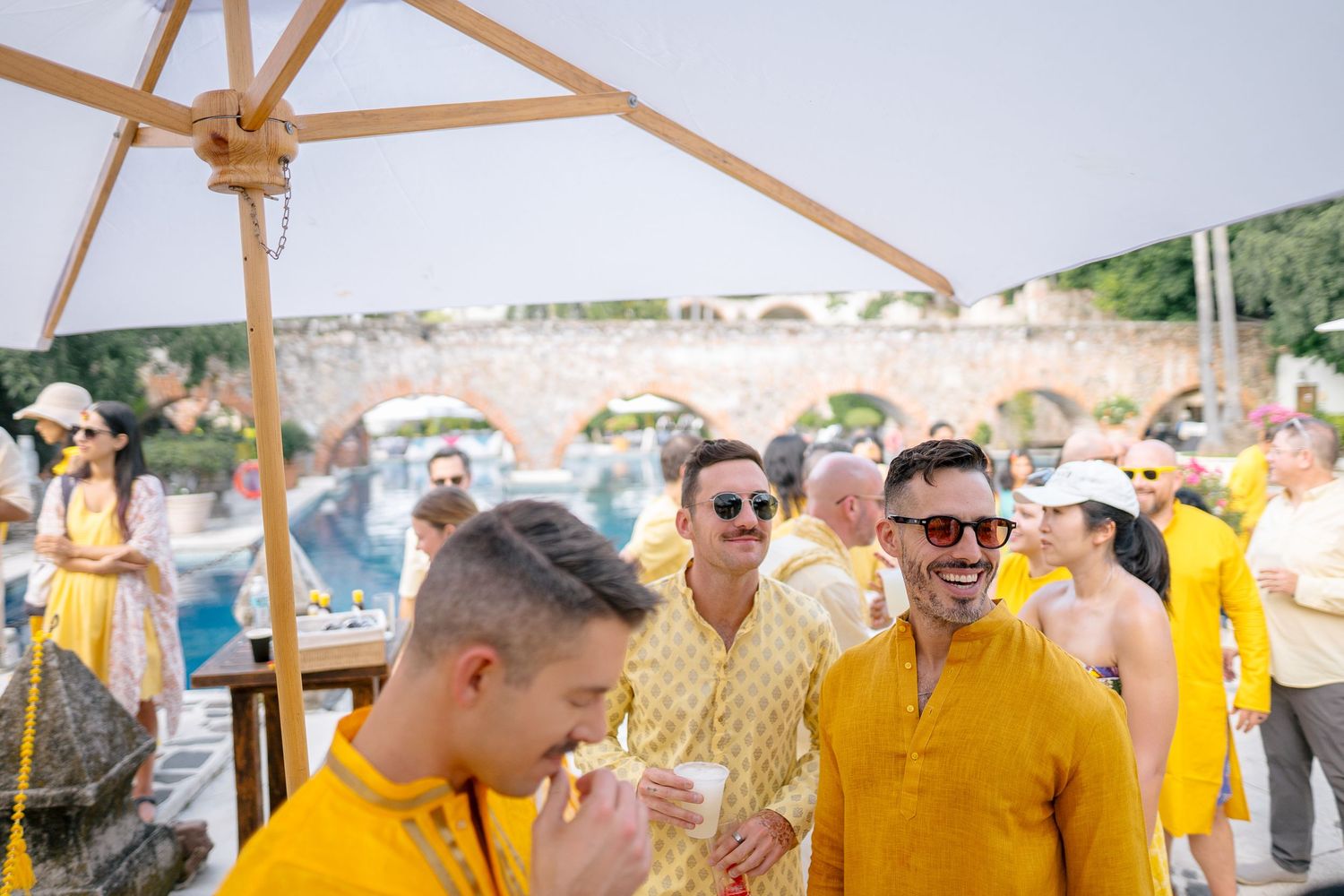
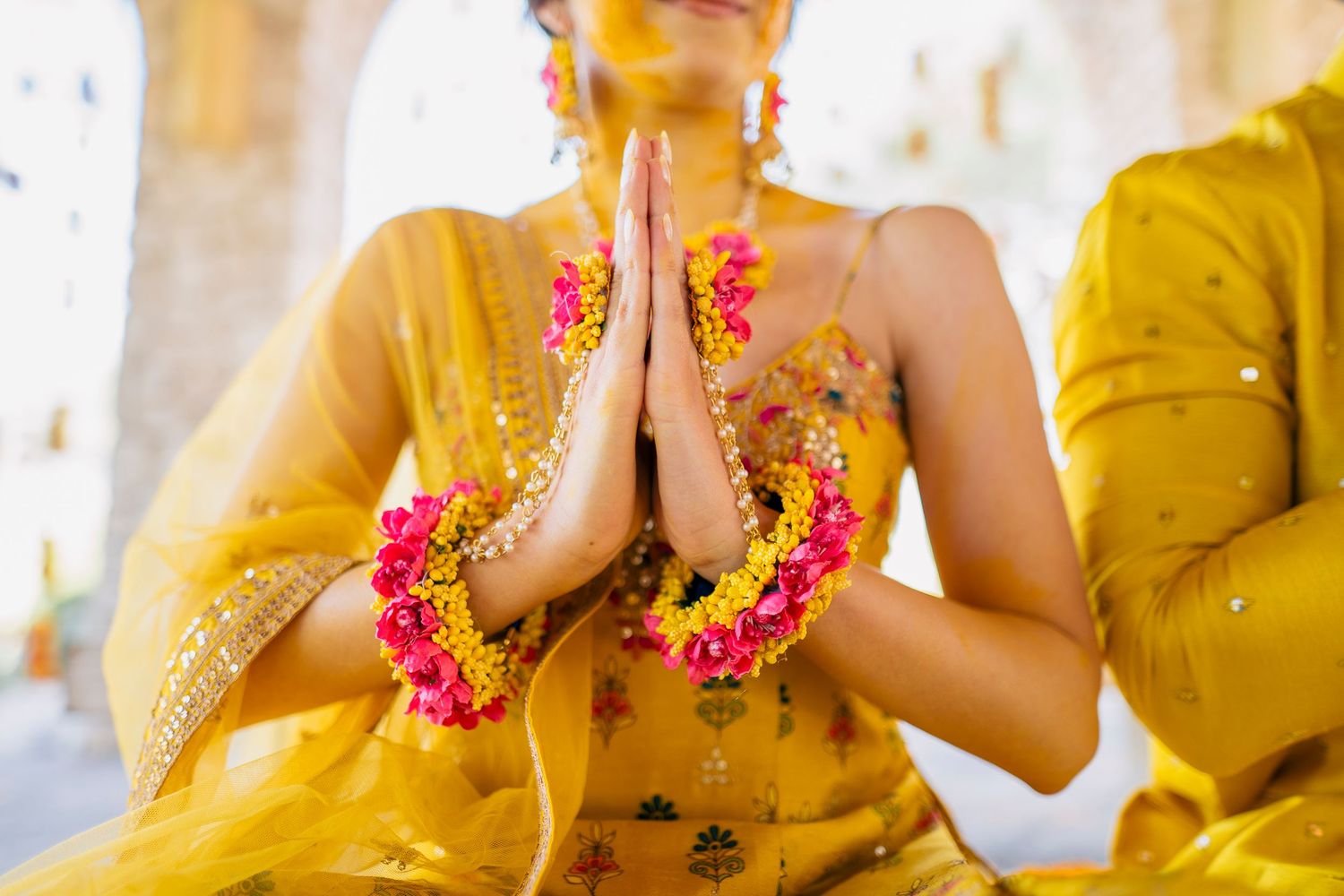
Yellow is the defining color of the Haldi Ceremony.
Inspired by the vibrant hue of turmeric itself, the color symbolizes happiness, prosperity, positivity, and new beginnings.
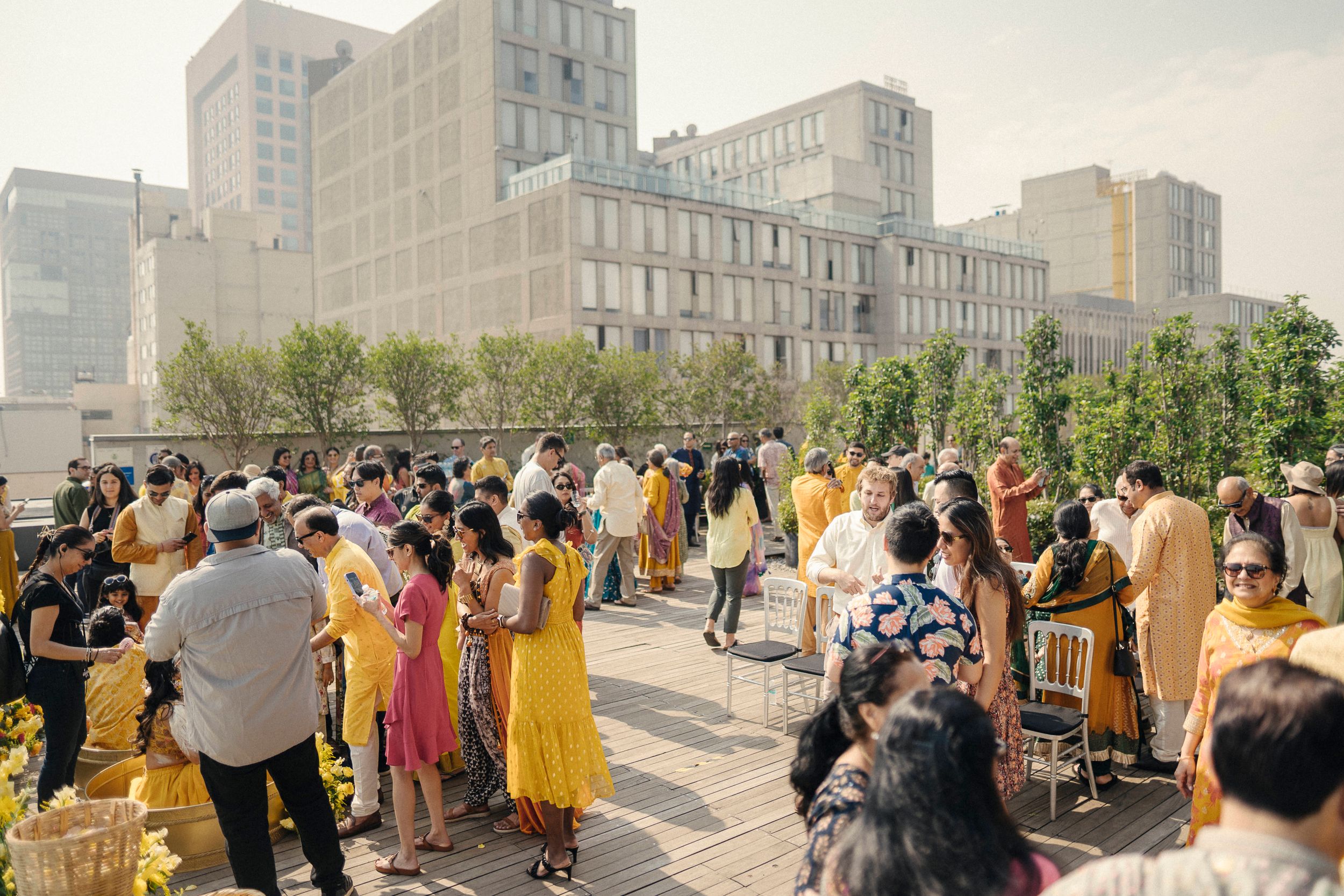
Brides and grooms often wear shades of yellow, mustard, saffron, or ivory, while guests are encouraged to embrace similar warm tones.
Fresh marigold flowers, colorful décor, and natural elements frequently complement the celebration, creating an atmosphere that feels vibrant, joyful, and unmistakably Indian.
There is energy everywhere.
Color everywhere.
Life everywhere.
More Than a Tradition
A celebration of family, culture, and connection.
For many couples, the Haldi Ceremony becomes one of the most emotional and authentic experiences of the entire wedding celebration.
It is where generations come together.
Where traditions are honored.
Where laughter and tears exist in the same moment.
And where a bride and groom begin their transition into married life surrounded by the people who know them best.
Long before the wedding ceremony begins, Haldi reminds everyone of what weddings are truly about.
Family.
Blessings.
And the beauty of beginning something new together.